9–10 hours
24h Free
7 people
Multilingual
Essaouira is 185 km west of Marrakech on the Atlantic coast — a full private day trip takes 9–10 hours and covers the UNESCO-listed medina, the 18th-century sea ramparts, a working Atlantic fishing harbour, a women’s argan oil cooperative en route, and a wide ocean beach, with door-to-door pickup from your Marrakech hotel or riad. Available year-round, with particularly good conditions from October to May.
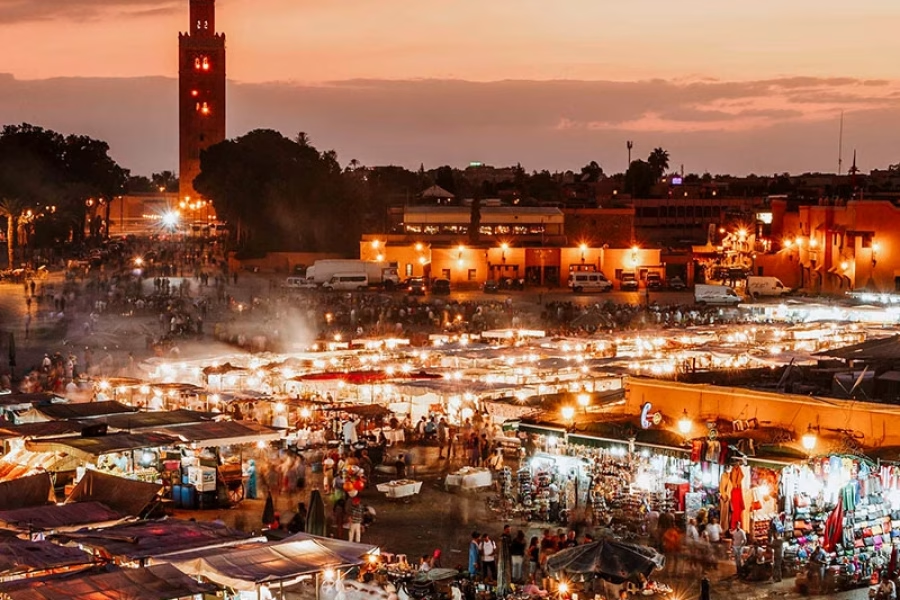
Most travelers come to Marrakech expecting heat, noise, and intensity — and Marrakech delivers all three. Essaouira is the opposite. The Atlantic trade winds keep it cool even in July. The medina is walkable and calm. The streets are wide enough to navigate without a guide. The sea ramparts are unguarded and open. It is a genuinely different Morocco, and it is 2.5 hours by road from your riad door.
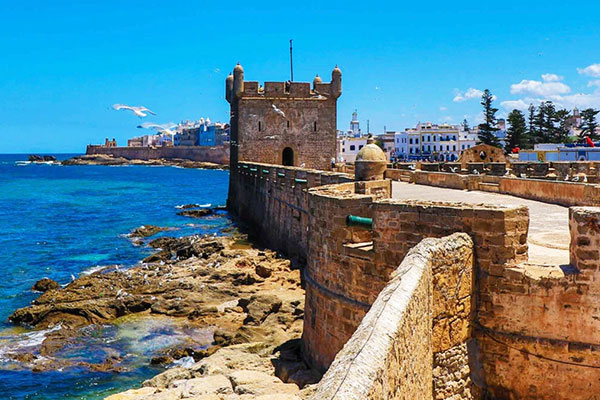
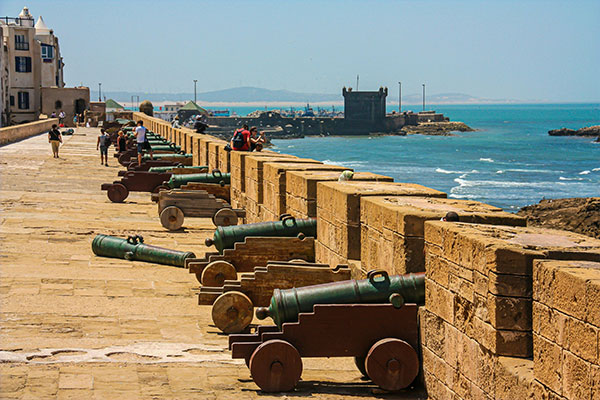
The city was built by the Portuguese in the 16th century, rebuilt by a Moroccan sultan in the 18th century, and named Mogador for most of its history. That layered heritage is visible in the architecture — the white-washed walls with blue accents, the European grid-plan medina, the cannons still pointing seaward from the Skala de la Ville. It was added to the UNESCO World Heritage List in 2001.
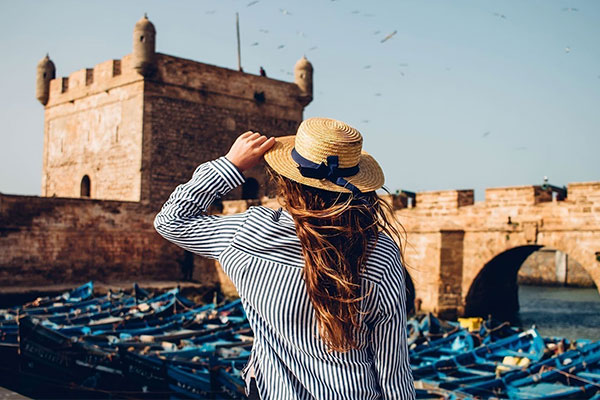
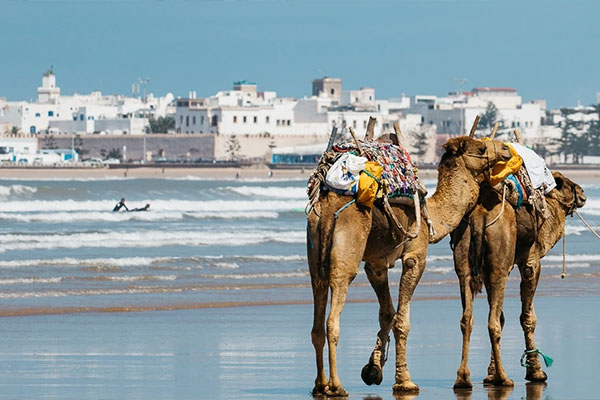
The working port is one of the most atmospheric in Morocco. Blue-painted wooden boats unload fresh catch daily and fishermen repair nets along the quayside. Walk past the fish grilling stalls and the smell is immediate — sardines, dorade, sea bass, cooked over charcoal and served on paper plates. Lunch here is one of the best-value meals you will have in Morocco.
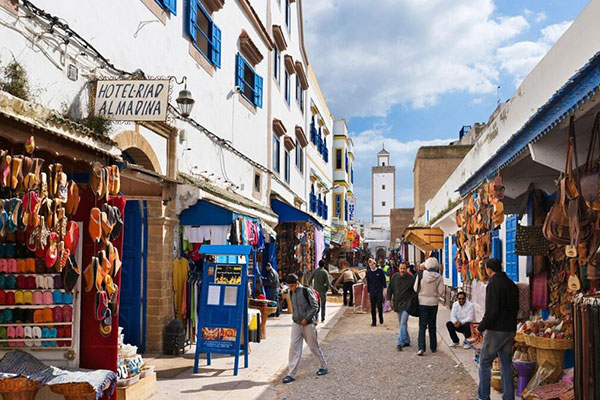
Beyond the port and medina, Essaouira’s artisan culture is worth time. The city is known for thuya wood — a fragrant, highly grained hardwood native to the region — carved and inlaid into boxes, chess sets, mirrors, and furniture. The workshops are concentrated along Rue Sidi Mohamed Ben Abdallah and the backstreets of the medina, where craftsmen work openly and there is no pressure to buy.
This is a fully private trip. Your driver is with your group from pickup to drop-off, the vehicle is yours throughout, and the schedule is yours to adjust. If you want to stay longer at the harbour, eat at a restaurant you found on a side street, or skip the souvenir shops entirely — you can.
Private Essaouira day trips start from 120 € / 1,200 MAD per vehicle — confirmed price provided at booking based on group size and vehicle choice. Contact us via WhatsApp +212 600 316 681 or email [email protected].

Your driver arrives at your hotel or riad entrance at 08:00. An early departure is important — the road to Essaouira is straightforward on the N1 highway but the 2.5-hour drive means a late start limits your time in the city. Departure time is confirmed with you the evening before.

Brief fuel and comfort stop in Chichaoua, roughly the halfway point. Cafés available for mint tea or coffee (not included). A chance to stretch before the second half of the road journey.
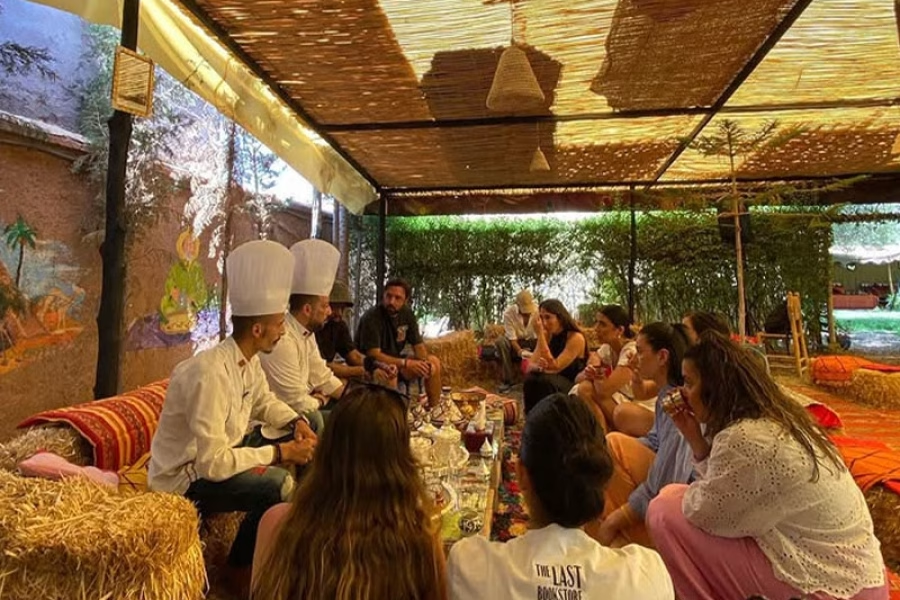
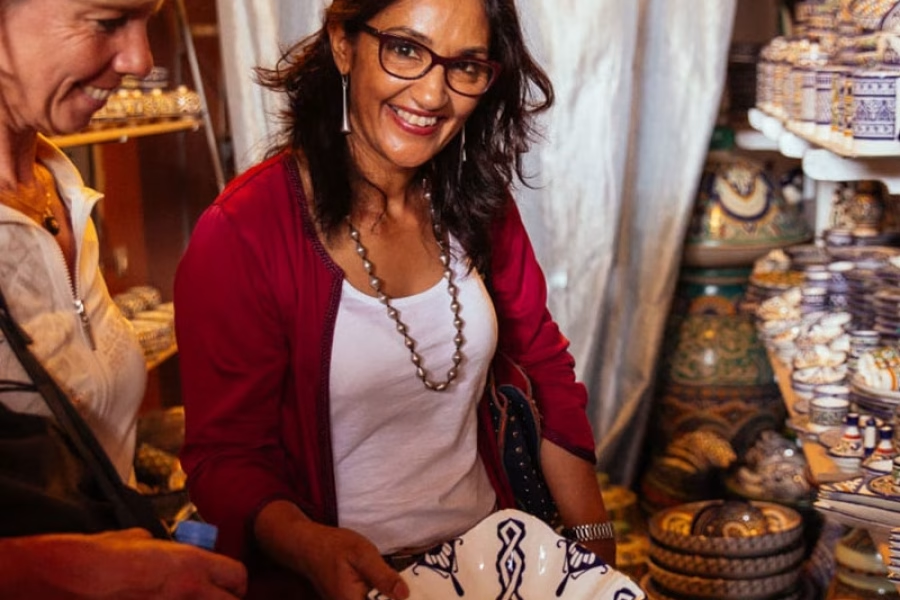
Approximately 45 minutes from Marrakech, the route passes a genuine women's cooperative on the road toward Essaouira. Members demonstrate the full argan oil extraction process — cracking the hard outer shell of the argan nut by hand, grinding the kernels using traditional stone mills, and separating the oil. The visit takes 20–25 minutes. No purchase pressure. Cold-pressed argan oil and amlou (argan almond paste) sold directly at fair cooperative prices.
The road descends toward the coast and Essaouira comes into view from above — the white medina walls, the blue Atlantic, the port basin, and the open ocean stretching beyond. A brief stop here for photographs before entering the city. This is the first view most visitors remember.
Driver parks at the Bab Doukkala entrance to the medina. Four hours of free, unguided exploration. Suggested order:
Walk the medina's main axis from Bab Doukkala to Place Moulay Hassan — the central square with cafés and a constant flow of people. From the square, descend to the port: walk through the fish grilling stalls, watch the boats unload, eat lunch directly at the harbour if you choose. From the port, follow the rampart wall north to reach Skala de la Ville — the 18th-century sea bastions with cannons pointing across the Atlantic. The ramparts are open, unguarded, and free to walk. After the ramparts, the beach begins just south of the medina walls — wide, Atlantic, and walkable for as long as you want. On the return, explore the artisan backstreets: thuya wood workshops, silver jewellery makers, and the Mellah quarter.
Driver meets your group at the agreed pickup point. Departure is flexible — if you want an extra 30 minutes, communicate via WhatsApp and the schedule adjusts.

Drop-off at your hotel, riad, or any alternative address in Marrakech.
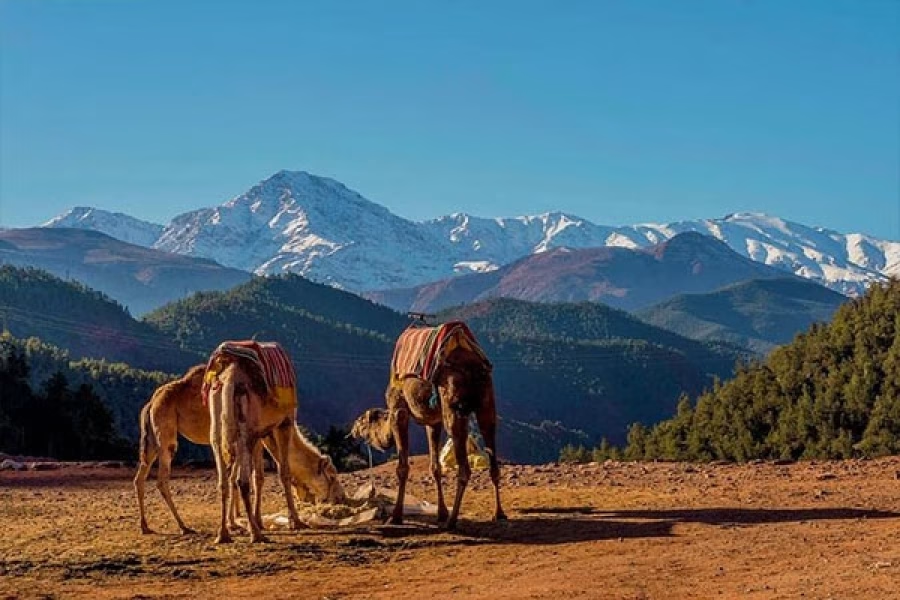
Essaouira is approximately 185 km west of Marrakech on the Atlantic coast. By private vehicle on the N1 highway the journey takes approximately 2.5 hours each way, passing through the town of Chichaoua and across the Haouz plain with occasional argan forest. The road is well-maintained and straightforward throughout — no mountain pass, no difficult sections.
Yes — for most travelers it is the standout day trip from Marrakech. Essaouira is a genuinely different experience: cooler, quieter, slower, with a distinct Portuguese-Moroccan architectural character, an active Atlantic fishing port, and one of Morocco's best beaches. The UNESCO-listed medina is compact and easy to explore without a guide. Most travelers rate it among the highlights of their Morocco trip. The 2.5-hour drive each way is the only real trade-off, and it passes quickly.
Essaouira is known for its UNESCO-listed historic medina, its Portuguese-built 18th-century sea ramparts, the Gnawa music tradition (the city hosts the annual Gnaoua World Music Festival each June), its working Atlantic fishing port, thuya wood artisan crafts, argan oil production, and as a major windsurfing and kitesurfing destination. The city was formerly known as Mogador and was a significant Atlantic trading and diplomatic port.
The best and most authentic option is the harbour fish grilling stalls — choose your fish or prawns directly from the iced display, agree on a price, and it is cooked over charcoal and served with bread and harissa. Expect 60–80 MAD per person. For a more relaxed lunch, the terrace restaurants on or near Place Moulay Hassan serve solid Moroccan cuisine with decent service — budget 100–200 MAD per person including a drink. Avoid restaurants that aggressively approach tourists at the medina entrance — walk a little further inside for better value.
Essaouira is one of the most family-friendly destinations in Morocco. The medina is compact, well-lit, and far less intense than Marrakech's. The harbour is engaging for children — colorful boats, fresh fish, activity and noise at a manageable scale. The beach is wide, long, and clean. The wind makes swimming best left to older children and adults with caution, but paddling along the shore is very much part of a family visit to Essaouira.
December is a very good month to visit Essaouira. The Atlantic trade winds ease slightly compared to summer, temperatures are mild — typically 14–20°C — and the city is noticeably quieter than in peak season. The medina is calm, restaurant tables are available without waiting, and the quality of light in December makes for excellent photography of the white and blue architecture. The beach is not for swimming in December but it is beautiful for walking. Bring a warm layer and a windproof jacket — coastal evenings are cool. For travelers who want Essaouira without crowds, November through January is genuinely the best window.
Essaouira is one of the windiest coastal cities in Morocco — this is by design, not accident. The Portuguese built it here specifically because the reliable Atlantic trade winds (the Alizée) were a commercial asset. Today those same winds make Essaouira the leading windsurfing and kitesurfing destination in North Africa. For a day visitor, the wind is more atmosphere than problem: it keeps the city cool, the air fresh, and the light exceptional. Bring a light windproof layer regardless of the season and you will be comfortable. In July and August when Marrakech is 38–42°C, the wind makes Essaouira feel 10–15 degrees cooler — this is actually one of the best reasons to visit in summer.
Walk the Skala de la Ville ramparts first — this is Essaouira's defining experience, and it is free. Then walk down to the port. Eat lunch at the harbour fish grilling stalls. After lunch, explore the medina backstreets toward the artisan workshops on Rue Sidi Mohamed Ben Abdallah. End at the beach, which runs south of the medina for several kilometres. If you have a particular interest in Gnawa music, ask your driver — there are informal performances in the medina most afternoons.
Yes — this stop is included in your trip at no extra charge. The cooperative is on the N1 road en route to Essaouira, approximately 45 minutes from Marrakech. It is a registered women's cooperative, not a tourist commission shop. The visit lasts around 20–25 minutes and covers the full traditional argan oil extraction process. Cold-pressed argan oil, amlou (argan and almond paste), and argan cosmetics are available for purchase directly from the cooperative at producer prices. There is no obligation to buy.
Book via WhatsApp +212 600 316 681, email [email protected], or our online booking form. Provide your group size, preferred date, and your Marrakech hotel or riad pickup address. We confirm your booking instantly with a WhatsApp confirmation and email. Choose your vehicle at booking: Economy Sedan (up to 4 passengers), Comfort Van (up to 7 passengers), or Luxury Van (up to 7 passengers, premium service).
| # | Discount group | From adult | To adult | Value |
|---|---|---|---|---|
| 1 | 2 | 2 | 2 | €129.00 |
| 2 | 3 | 3 | 3 | €258.00 |
| 3 | 4 | 4 | 4 | €387.00 |
| 4 | 5 | 5 | 5 | €506.00 |
| 5 | 6 | 6 | 6 | €635.00 |
| 6 | 7 | 7 | 7 | €764.00 |


Private & Licensed
Atlas Wings licensed private tours, no shared vehicles.

Door-to-Door
Pickup and drop-off at your Marrakech hotel or riad.

Reserve now & pay later
Book your spot, pay on arrival.

Instant Confirmation
Confirmed instantly after booking.

No Hidden Fees
Transparent pricing, no extra charges.

Free Cancellation
Flexible cancellation policy.

Member Since 2026